Wellbeing is not an add-on.
It’s the operating system.
We consult for systemic and experiential wellbeing interventions.
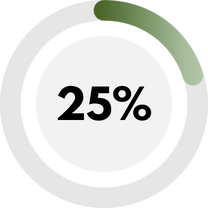
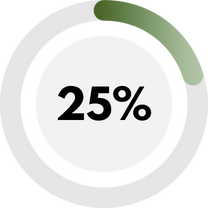

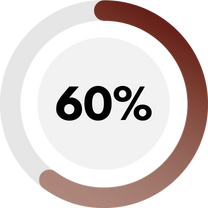
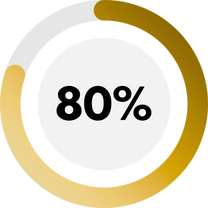

Lower attrition with structured wellbeing programs*
HR leaders report mental health support as #1 demand*
Employees say mental health is as important when choosing a job*
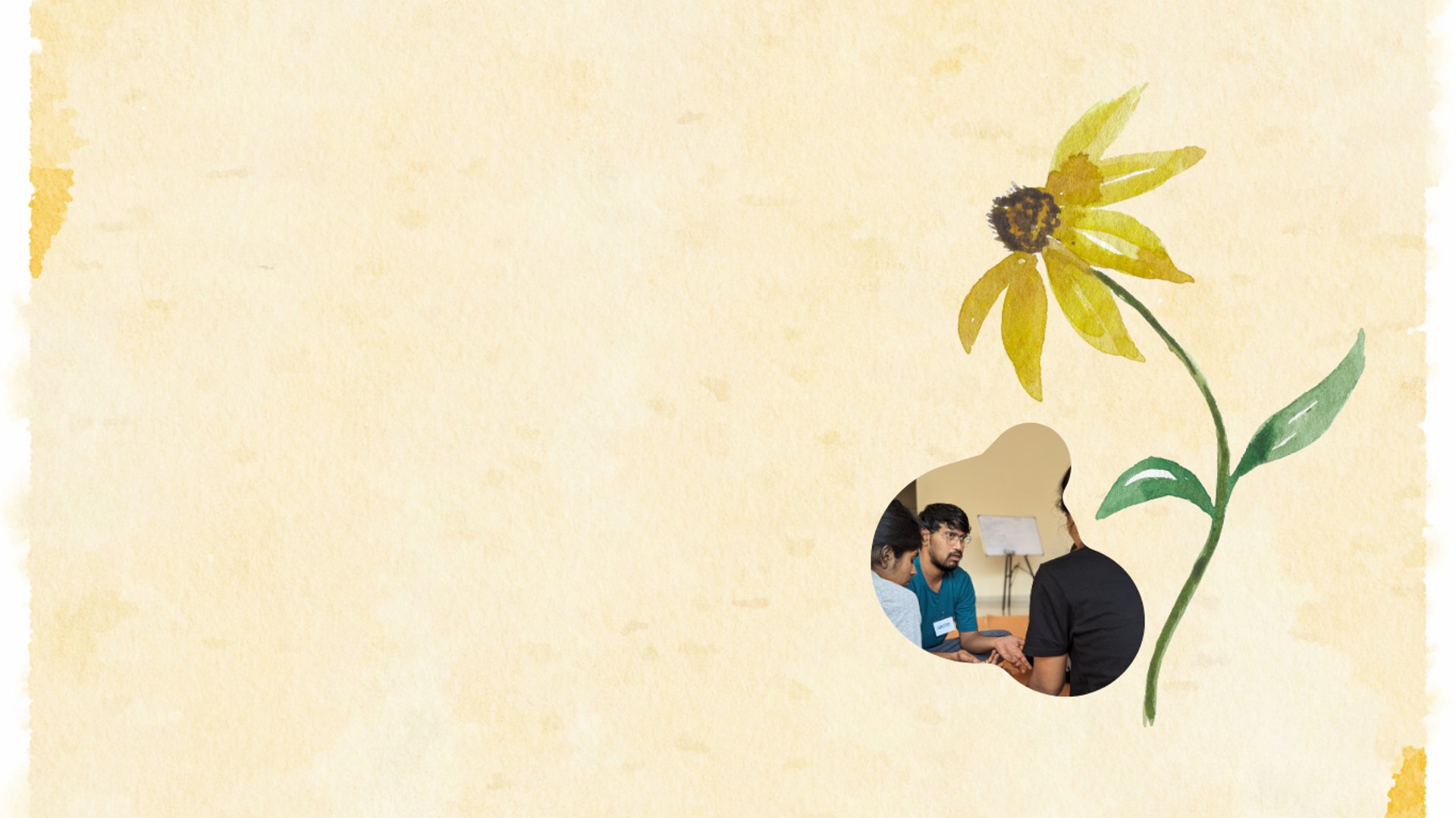
Challenges we commonly see in workplaces:
A. Team Culture
Growing disconnection within teams
Lack of empathy and mutual trust
Competition above collaboration
Unclear growth trajectory and support
Imbalance between mental effort and physical vitality
B. Individual Wellbeing (Leaders & Employees)
Stressful or demanding work environments
Highly unconscious daily routines
Reduced creativity and problem-solving ability
Lack of mental clarity and focus
Gradual decline in physical health
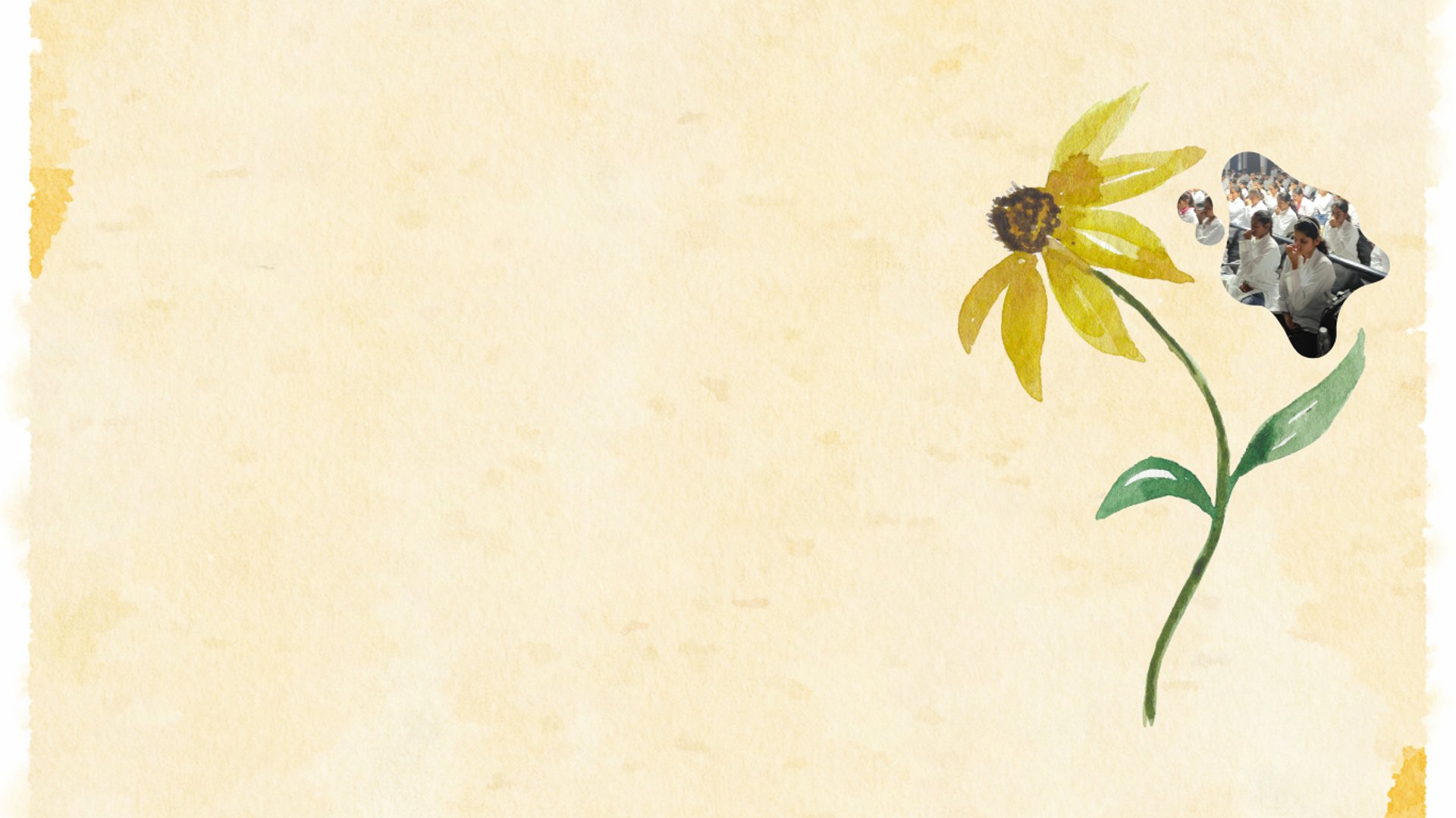
Why good intentions don’t always lead to wellbeing?
There is substantial investment in the workspace wellness programs. Despite that the anticipated improvements are often not seen.
It is because many well-being interventions have limited understanding of what people need and how they adopt new things.
A. Many well-intentioned programs are fragmented, either leaning towards motivation, instruction or having fun together.
B. Most wellness initiatives focus on the individual level while often the challenges lie on the systemic level.
Our approach to workplace wellbeing:
• Experience before information.
A lived clarity is better than truckloads of knowledge for nothing.
̐• Body, mind, emotion and spirit.
We work with the human system as a whole, integrating action-reflection & spiritual understanding.
• Play and practice.
Creativity, enjoyment and discipline are not different pieces, but complementary.
• Designed for the need.
We use ancient wisdom & modern tools to keep things relevant for contemporary workspaces.
• Transformation at the core.
Rooted in classical Isha Hatha Yoga, our work brings balance and clarity for sustainable, long-term change.
Broader look at some tools and modalities we use.
A. Yogic Practices for Mental & Physical Wellbeing
Improve posture, energy, stability, and mental clarity through simple Isha Yoga–based practices.
B. Mindfulness for Everyday Work Life
Practices to bring awareness to routine activities that are easily integrable into daily work schedules.
C. Flow Games & Establishing Conscious Communication
Encourage trust, spontaneity, listening, and collaboration using experiential tools and relational wisdom for team bonding.
D. Arts, Theatre & Movement Based Interventions
Support rejuvenation, connection, and self-expression through creative processes for reflection and emotional balance.
E. Nature-Based & Sensory Experiences
Tailored activities using music, gardening, silence, and simple challenges with rhythm, presence, and ease.
F. Individual Wellbeing Interventions
Structured support through counselling, psychotherapy, and Ayurvedic consultations, designed to complement group initiatives.
Who all can make use of this offer:
Teams feeling stretched, disconnected, or quietly fatigued.
Organizations that care beyond compliance.
Leaders who value inner clarity as much as performance.
Companies willing to explore wellbeing with sincerity.
More importantly, you can make use of this if you understand that wellbeing cannot be imposed, advised, or performed.
It has to be cultivated.

Wellbeing is not an add-on.
It’s the operating system.

Lower attrition rate for having structured employee well-being programs
HR leaders report mental health support as #1 demand
Employees say mental health is as important when choosing a job
We consult for systemic and experiential wellbeing interventions.

Challenges we commonly see in workplaces:
A. Team Culture
Growing disconnection within teams
Lack of empathy and mutual trust
Competition above collaboration
Unclear growth trajectory and support
Imbalance between mental effort and physical vitality
B. Individual Wellbeing (Leaders & Employees)
Stressful or demanding work environments
Highly unconscious daily routines
Reduced creativity and problem-solving ability
Lack of mental clarity and focus
Gradual decline in physical health
To understand your context,
Why good intentions don’t always lead to wellbeing
There is substantial investment in the workspace wellness programs. Despite that the anticipated improvements are often not seen.
It is because many well-being interventions have limited understanding of what people need and how they adopt new things.
A. Many well-intentioned programs are fragmented, either leaning towards motivation, instruction or having fun together.
B. Most wellness initiatives focus on the individual level while often the challenges lie on the systemic level.

Here are some better approaches towards wellbeing.
• Experience before information.
A lived clarity is better than truckloads of knowledge for nothing.
• Body, mind, emotion and spirit.
We work with the human system as a whole, integrating action-reflection & spiritual understanding.
• Play and practice.
Creativity, enjoyment and discipline are not different pieces, but complementary.
• Designed for the need.
We use ancient wisdom & modern tools to keep things relevant for contemporary workspaces.
• Transformation at the core.
Rooted in classical Isha Yogic practices, our work brings balance and clarity for sustainable, long-term change.

Broader look at some tools and modalities we use.
A. Yogic Practices for Mental & Physical Wellbeing
Improve posture, energy, stability, and mental clarity through simple Isha Yoga–based practices.
B. Mindfulness for Everyday Work Life
Practices to bring awareness to routine activities that are easily integrable into daily work schedules.
C. Flow Games & Establishing Conscious Communication
Encourage trust, spontaneity, listening, and collaboration using experiential tools and relational wisdom for team bonding.
D. Arts, Theatre & Movement Based Interventions
Support rejuvenation, connection, and self-expression through creative processes for reflection and emotional balance
E. Nature-Based & Sensory Experiences
Tailored activities using music, gardening, silence, and simple challenges with rhythm, presence, and ease.

Who all can make use of this offer:
Teams feeling stretched, disconnected, or quietly fatigued.
Organizations that care beyond compliance.
Leaders who value inner clarity as much as performance.
Companies willing to explore wellbeing with sincerity.
More importantly, you can make use of this if you understand that wellbeing cannot be imposed, advised, or performed.
It has to be cultivated.


Find wellness, support and connection in our programs and community.
Quick Links
© 2024. All rights reserved.
Contact
New Arya Apartments, Sector-9, Rohini, New Delhi, 110085